Streetwise 101: H.E.L.P.
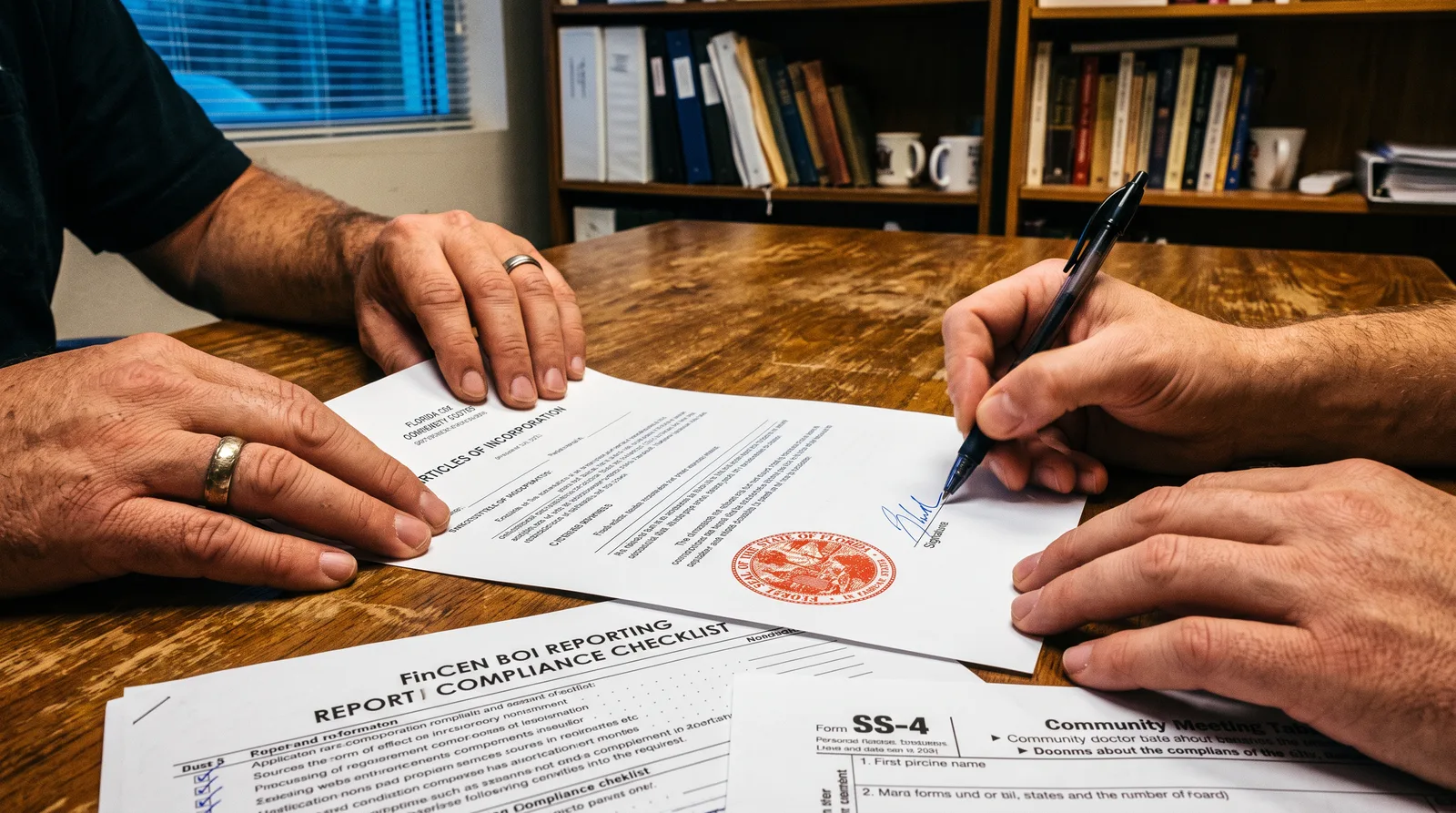
Master the legal, civic, and economic tools to build a 501(c)(4) social welfare organization from the ground up — using the StreetWise H.E.L.P. framework to embed constitutional literacy, community economic empowerment, and restorative justice directly into your founding structure.

Streetwise HELP was built so that every person is empowered for you to mobilize within your community, to carries the full weight of your life's goals and mission.
— - AHMS
What you'll learn
What you'll be able to do
- Understand how financial stress, economic trauma, and generational wealth denial directly drive community conflict — and use the New Black Wall Street framework to build economic peace strategies
- Trace the legal evolution from Reconstruction-era control statutes to present-day economic barriers — and use that historical knowledge to empower individuals and community groups to name, challenge, and dismantle those systems
How it works
A school that adapts to you
This isn't a set of static videos. Every lesson is generated live and tuned to where you actually are.
We learn your level
A quick placement check tailors your starting point so you're never bored or lost.
Lessons adapt as you go
Each lesson is written for your pace and your goal, adjusting as your skills grow.
Your AI coach keeps you moving
Checkpoints, feedback, and gentle nudges turn progress into a real result.
The curriculum
What's inside your school
8 modules · 38 lessons

Session 1: Know Your Rights — Civic Literacy as Personal and Community Power
Equips lay persons — adults, elderly, and youth — with plain-language constitutional knowledge and teaches facilitators how to deliver rights education inside their own communities using the ENGAGE Framework.
- 1.1Your Constitutional Rights in Everyday Life — What They Are and When They ApplyIncluded
- 1.2From Knowing to Exercising — The Difference That Protects Your CommunityIncluded
- 1.3Legal Ignorance Creates Vulnerability — Civic Knowledge Creates ProtectionIncluded
- 1.4Documentation as Power — Teaching Your Community to Record, Report, and Follow UpIncluded
Session 2: The Economics of Peace — Financial Literacy as a Conflict Resolution Tool
This session examines the direct link between economic stress and community conflict, and teaches students to use financial literacy, economic self-determination, and lawful enterprise as practical peace-building tools within the ENGAGE Framework.
- 2.1Money, Stress, and Violence — How Economic Pressure and Financial Trauma Drive Community ConflictIncluded
- 2.2The Poverty Trap — Systemic Economic Barriers and the Cycle of ConflictIncluded
- 2.3Economic Self-Determination — Building Wealth and Stability as a Peace StrategyIncluded
- 2.4Re-Entry Economics — Financial Rebuilding for Returning Citizens and Their FamiliesIncluded
- 2.5Teaching Economics as Peace — Delivering Financial Literacy in Your CommunityIncluded
Session 3: Building a Family Office
Literacy means knowing what your documents actually say and what they authorize. This session turns the corporate bylaws into a living program manual — baking Constitutional Literacy, Economic Empowerment, and Peace Operations directly into the founding structure so they are organizational obligations, not just intentions.
- 3.1What Is a Family Office — Structure, Purpose, and Why Your Community Needs OneIncluded
- 3.2Types of Family Offices — Single-Family, Multi-Family, and Hybrid ModelsIncluded
- 3.3Legal Entities for the Family Office — LLCs, Trusts, and Holding StructuresIncluded
- 3.4Embedding Peace Operations Into Your Family Office — Restorative Justice as a Wealth PillarIncluded
- 3.5Governance and Succession — Keeping the Family Office Alive Across GenerationsIncluded
Session 4: Rejecting Labels — Self-Definition as a Revolutionary Act
Students examine how externally imposed labels — criminal, felon, at-risk, minority — function as instruments of social control, and develop the intellectual and organizational tools to reject, reframe, and replace them with self-determined identity.
- 4.1The Power of Labels — How Names Are Used to Control Narratives and Limit PossibilitiesIncluded
- 4.2Criminalization as a Labeling System — From 'Felon' to 'Returning Citizen'Included
- 4.3Reclaiming Identity — Self-Definition Tools for Individuals and CommunitiesIncluded
- 4.4Teaching Self-Definition — Facilitating Identity Work in Your Community ProgramsIncluded
Session 5: Humanity Mediation — Conflict Resolution Rooted in Historical Awareness
Students learn the Humanity Mediation framework — how the history of law as a tool of control shapes today’s community conflict, and how to facilitate resolution rooted in dignity, rights, and collective power.
- 5.1What Is Humanity Mediation — Definition, Origins, and Core PrinciplesIncluded
- 5.2The History Behind the Conflict — How Disguised Slave-Culture Laws Still Shape Community TensionIncluded
- 5.3The Humanity Mediation Framework — Principles, Process, and ProtocolIncluded
- 5.4Facilitating Humanity Mediation — Tools, Scripts, and Real-World ApplicationIncluded
Session 6: History in Action — The Justice Festival
Students learn to use the Justice Festival — a community-facing event — as a living act of historical and legal resistance, delivering all six StreetWise H.E.L.P. sessions in one day to empower their neighbors, build organizational credibility, and sustain the movement.
- 6.1History as a Living Tool — Community Events as Acts of Legal and Cultural ResistanceIncluded
- 6.2Planning the Justice Festival — Structure, Stations, Partners, and Legal ComplianceIncluded
- 6.3All Six Sessions in One Day — Delivering the Full H.E.L.P. Curriculum at the FestivalIncluded
- 6.4After the Festival — Sustaining the Movement and Measuring ImpactIncluded
- 6.5Carrying History Forward — Your Role as Educator, Organizer, and Legal AdvocateIncluded
The ENGAGE Framework — Master It, Then Teach It
A dedicated deep-dive into the ENGAGE Framework as both a personal tool and a facilitation methodology. Trainers leave this module able to teach ENGAGE fluently across all six H.E.L.P. sessions, handle participant resistance, and adapt the framework to real community dynamics. This is the methodological spine that connects every session.
- 7.1ENGAGE Unpacked — Every Step, Every Purpose, Every Session It Appears InIncluded
- 7.2Embrace — Opening Space for Truth Without JudgmentIncluded
- 7.3Navigate and Generate — Moving Through Resistance to New ThinkingIncluded
- 7.4Articulate, Guide, and Evaluate — From Insight to Action to AccountabilityIncluded
- 7.5Teaching ENGAGE to Others — Train-the-Trainer PracticumIncluded
Train-the-Trainer Capstone — Certifying to Facilitate All Six Sessions
The 10-hour trainer certification layer. This module transforms a participant who completed the 30-hour Resolving Differences course into a certified H.E.L.P. facilitator. It covers adult learning theory, session-by-session facilitation guides, co-facilitation and supervision, handling trauma activation, and the full certification practicum. Completion of Sessions 1–6 and the ENGAGE module are prerequisites.
- 8.1From Participant to Facilitator — The Mindset Shift and What It DemandsIncluded
- 8.2Adult Learning Theory Applied to H.E.L.P. — Why This Curriculum Works and How Not to Break ItIncluded
- 8.3Session-by-Session Facilitation Guides — How to Run Each of the Six SessionsIncluded
- 8.4Handling Trauma Activation — When the Content Hits Too CloseIncluded
- 8.5Co-Facilitation, Supervision, and Building Your Facilitator TeamIncluded
- 8.6The Full Practicum — Delivering a Complete H.E.L.P. Session Under ObservationIncluded
Who it's for
Is this you?

The Grassroots Organizer
You've been doing the work informally for years and need a legal structure that matches the scale and seriousness of your mission.
The Civic Entrepreneur
You want to build an organization that teaches constitutional rights and economic literacy — and you need the legal framework to run it sustainably.
The Community Advocate
You work in underserved communities on conflict resolution and want your mediation programs protected inside a formally structured organization.
The First-Time Founder
You've never built a formal program before and need clear, plain-language guidance through every layer of the H.E.L.P. framework — start to finish.
The Faith-Based Leader
Your congregation or community ministry is ready to formalize its social welfare work with a structure that allows full civic and advocacy engagement.
The Aspiring Trainer
You've experienced transformative community education and want to be the person who delivers it — this school gives you the full train-the-trainer certification to do it professionally.
Questions
Frequently asked
American Humanity Mediation Service
A note from your teacher
AHMS
If you're reading this, I already know something about you. You've been doing the work — showing up in your community, teaching people their rights, helping families navigate systems that were never designed with them in mind. Maybe you've been doing it informally for years. Maybe you've been calling it a movement, a ministry, a program, a mission. And somewhere along the way, someone told you: you need to get organized. You need a structure. You need to be legal.
That advice is right. But here's what nobody tells you next: how. Not in plain language. Not in a way that respects your intelligence and your time without burying you in legalese or handing you a steep invoice before your first board meeting. That gap — between the mission you carry and the legal vehicle that protects it — is exactly what Freedom Readers Academy was built to close.
I built this curriculum around the StreetWise H.E.L.P. framework because I believe your organizational structure should reflect your values from the first document you file. Your bylaws shouldn't be boilerplate — they should name your programs: Constitutional Literacy, Economic Empowerment, Peace Operations. Your purpose statement shouldn't be vague — it should describe exactly what you do in language that holds up to scrutiny. Your compliance posture shouldn't be an afterthought — it should be something you understand, manage, and even teach inside your own organization. That's what this school delivers.
We go through every layer together. The legal framework that governs your community organizing, the economic structures that protect your family and your organization, and the restorative justice principles that give your peace work a formal, defensible shape. Nothing is left vague. Nothing is left for you to figure out alone.
And we go beyond compliance. This curriculum gives you legal tools that most organizers don't know they have — the ability to build community economic infrastructure, guide your neighbors through entity formation as a program service, and run public-facing events that serve your community legally and sustainably. This school teaches you to use every one of those advantages. Because your community deserves an organization that's not just legal — it's strategic, sustainable, and built to last.
You've already done the hard part: you decided to show up. Now let's make sure the structure shows up with you. I'll see you inside.
— AHMS
Start your journey today
Get instant access — learn at your own pace with an AI coach in your corner.
$697/mo
Recurring billing · cancel anytime
Secure checkout · Instant access
- 8 modules, 38 lessons
- AI-adaptive lessons tuned to your level
- Quizzes & checkpoints to lock in progress
- Your own AI learning coach
- Learn on any device, at your pace
- Full access for as long as you're subscribed